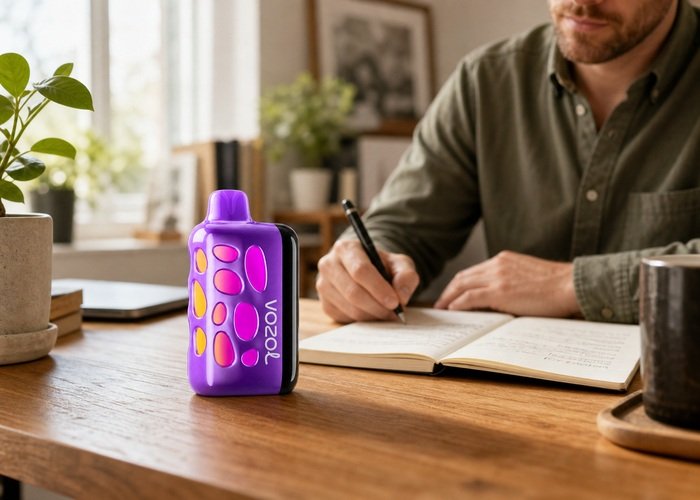
Weak, muted and burnt are different flavor symptoms, and treating them as the same problem leads to poor decisions. A weak flavor can come from an airflow or mode change, temporary taste fatigue, low remaining liquid or reduced battery performance. A burnt or sharply dry taste is a stronger warning that the heating material may not be receiving liquid normally. The right response begins by stopping, letting the device rest and identifying which description actually fits.
This checklist is for adults who already use a VOZOL Rave 50K. It covers safe exterior observations only. It does not instruct you to refill, open, puncture, shake violently or alter a sealed device. If the unit leaks, swells, becomes unusually hot, activates by itself or produces a persistent scorched odor, retire it rather than testing it again.
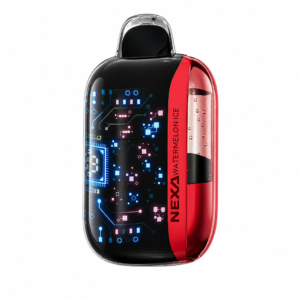
Confirm the exact device against the VOZOL Rave 50K product page. Then note the mode, airflow position, battery estimate and liquid estimate before changing anything. Our Rave 50K liquid-meter guide explains why the display is a useful estimate, not a precise measurement.
Define the symptom before diagnosing it
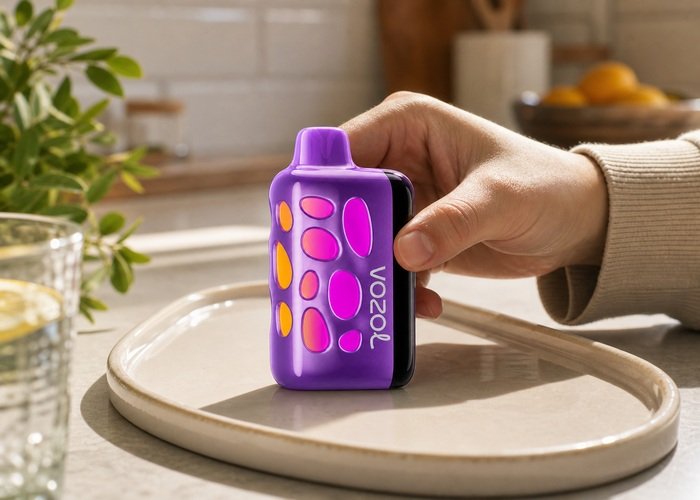
Muted flavor means the expected profile is present but less distinct. Weak output usually combines less flavor with less vapor. A burnt taste is dry, sharp, papery or scorched and may linger after the draw. Stop immediately after a genuinely burnt draw; repeated testing can overheat a dry heating area and will not restore depleted liquid.
Also consider your own senses. Strong food, dehydration, a recent illness or repeatedly using one flavor can temporarily reduce perception. Take a break, drink water and compare only after your mouth has returned to neutral. Do not compensate with longer, harder draws, because that adds heat and can turn a mild problem into a burnt one.
Check mode and airflow one change at a time
The Rave 50K has operating choices intended to change the experience. If the device was moved into a stronger mode, flavor can feel warmer and more concentrated while liquid and battery are consumed faster. Return to the gentler normal setting and allow the device to rest. The Regular versus Surge mode guide explains when each setting makes sense.
Inspect the exterior airflow area for lint or moisture and wipe it with a dry tissue. Adjust the control gently through its intended range, then choose a middle position for the next check. Do not insert objects into openings or block airflow with tape. A very restricted setting plus a long draw increases heat; an extremely open setting can make flavor seem thin.
Change only mode or airflow first, not both. Rest the device for several minutes, then take one brief normal draw. If the flavor returns, use the stable setting and avoid rapid repeated draws. If the taste remains burnt, stop; a stronger mode is not a repair.
Read the battery and liquid estimates together
A low battery estimate may reduce output, while a low liquid estimate raises the chance that the heating material cannot stay saturated. Look at both indicators before drawing a conclusion. A full-looking battery does not prove adequate liquid, and a liquid icon does not guarantee that every internal area is evenly supplied.
If the battery is low but the device is cool, dry and undamaged, follow the Rave 50K safe-charging guide. Use a sound cable on a hard surface and remain nearby. Charging may restore weak output caused by low power; it cannot correct a depleted or damaged liquid path.
Do not chase an optimistic screen reading with repeated draws. The display is designed for convenience, and estimates can move in steps. A public long-term Rave 50K review reports flavor softening later in use, which is useful as an observation but not proof about any individual unit. Your device’s heat, taste and physical condition take priority.
Use the symptom matrix
The matrix below combines taste, output and device condition. It is deliberately conservative: if more than one row applies, follow the safer action.
| Symptom | Most useful check | Conservative action |
|---|---|---|
| Flavor muted but output normal | Rest, hydration, mode and airflow | Change one setting and retest once |
| Flavor and vapor both weak | Battery estimate and airflow opening | Charge only if cool, dry and undamaged |
| Dry or scorched taste | Liquid estimate, heat and pacing | Stop, rest and do not repeat hard draws |
| Burnt taste with leak, heat or damage | No further activation needed | Retire, document and arrange safe handling |
Pacing and rest matter
Rapid repeated draws do not give the internal liquid path much time to recover and can concentrate heat. Set the device down between draws. If a brief rest consistently restores normal flavor, shorten your sessions and remain in the gentler mode. If the recovery window keeps getting shorter, treat that as an end-of-life trend rather than a reason to inhale harder.
Keep the device upright during rest and storage. Avoid direct sun, hot vehicles and freezing conditions. Temperature extremes change liquid movement and battery behavior, while laying a warm device against fabric hides heat. The U.S. Fire Administration provides general battery safety advice for electronic cigarettes.
Taste is not a safety instrument by itself. If you also notice leaking, hissing while idle, swelling, an acrid smell from the unused device or a hot shell, do not take a confirmation draw. Place it on a clear nonflammable surface and arrange support or disposal.
Watch the controls and indicators
This public video is included only as a visual orientation to the product’s exterior controls and display. Use the safety checks in this guide for decisions about your own device.
After viewing, return to the observation sequence rather than copying any unverified repair shown elsewhere. A sealed device should remain sealed, and any unusual heat, leak, swelling or self-activation overrides a normal-looking display.
Keep a written note of the sequence you followed. Changing one variable at a time gives the seller useful evidence and avoids the false reassurance that can come from a temporary recovery.
If the device returns to normal, continue conservatively and watch for recurrence. If the same symptom returns, stop and use the support path described below.
When to stop using the device
A single mild muted session may justify rest and one controlled setting check. A persistent burnt taste, recurring dry hits, visible leaking, overheating or physical damage does not. Stop using the device, keep it away from children and pets and retain the package and order record if you intend to contact the retailer.
Use the warranty information and return policy to prepare a concise report. Include the flavor name, mode, approximate screen readings, when the symptom began and whether the device was dropped, charged or exposed to heat. Do not mail a damaged lithium-battery device unless the seller gives an approved process.
For end-of-life handling, consult the EPA guidance for household e-cigarettes and its lithium-ion battery recycling guidance. If e-liquid is swallowed or contacts the eyes or skin, use Poison Control guidance and seek appropriate medical help.
A practical two-minute checklist
Stop and rest the device. Name the taste accurately. Check for heat, leak, swelling, odor or self-activation. Record battery, liquid, mode and airflow position. If the device is physically sound, change one setting, wait, and take one brief normal draw. End the test immediately if the burnt taste returns.
If the result is unclear, do not keep experimenting. Review the Airsipgo FAQ or contact support with photos and the observations above. The goal is to preserve a normal experience when a simple setting explains it—and to recognize promptly when the product has reached a safe stopping point.
Deeper checks before a final decision
Flavor diagnosis works best after a neutral pause. Set the device down, drink water and avoid strongly flavored food or another vapor product for a while. Then describe the first normal draw with plain terms: sweet notes missing, cooling weaker, vapor thinner, or a dry scorched edge. Precise language keeps you from treating sensory fatigue as hardware failure and helps the seller understand whether the change is gradual or sudden.
Airflow affects concentration as much as comfort. A very open setting mixes more air into the draw and may make flavor seem lighter; a very restricted setting can raise heat and feel harsher. Move the external control gently to a middle position, let the device rest upright and take one brief draw. If the control is stuck, loose or damaged, do not force it and do not block openings with fingers or tape.
Mode changes should be deliberate. If the symptom began after switching to the stronger setting, return to Regular mode and allow a longer rest. Do not bounce rapidly between settings during consecutive draws. That creates a changing heat load and produces poor evidence. If the burnt edge remains in the gentler mode after rest, stop; the stronger setting is likely to intensify the problem rather than correct it.
Watch for a mismatch between display estimates and physical experience. A liquid icon that appears nonempty can coexist with repeated dry taste because it is an estimate, not a direct view of every saturated area. Likewise, adequate battery on the display does not rule out reduced performance under load. Use the indicators to frame the check, but let persistent burnt taste, leaking or heat determine the stopping decision.
Storage position matters after a session. Keep the device upright on a stable surface and away from heat. Do not shake it, spin it, squeeze the shell or strike it to move liquid internally. Those actions can cause leaking or battery damage and make a warranty claim harder to evaluate. If normal flavor returns only briefly after aggressive handling, the device has not been safely repaired.
A retailer report should include the exact flavor, mode, airflow setting, screen estimates and how long the device rested before the controlled retest. Photograph the body and package without opening anything. If the device is leaking or hot, say so before arranging transport. Do not wrap a warm device in an airtight bag or send a lithium-battery product through an unapproved shipping method.
Compare only with the normal character of the same flavor, not with a different product or a fresh device from memory. Cooling, sweetness and aroma can fade at different rates. A sudden papery or scorched edge after previously normal use carries more diagnostic weight than a gradual reduction in sweetness. Record whether the change appeared on the first draw of a session or only after several close-together draws.
If you decide to retain the unit while waiting for an answer, make sure it is cool, inactive and upright in a ventilated location. Keep it away from metal items and combustible materials. Do not continue occasional test draws each day; that consumes remaining liquid and changes the evidence. The photographs, readings and one controlled retest already provide a sufficient account for support.
Final safety notes
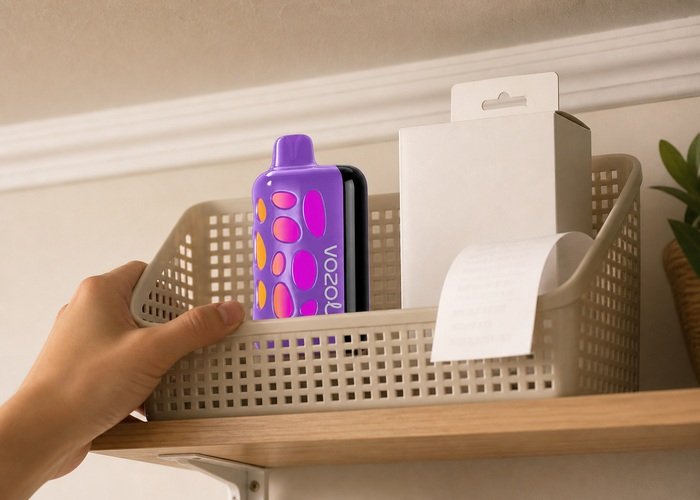
Keep the device and any retained packaging away from children and pets. Do not store it loose with keys, coins or other objects that can damage the body or port.
Never open, puncture, crush or deliberately short a sealed battery product. A temporary improvement after impact is not a repair and does not make the device safe. Revisit the battery fire-prevention guidance when deciding whether a device is suitable for another session.
When support recommends retirement, follow the household e-cigarette handling guidance and local electronic-waste and nicotine-product rules. Submission to a retailer or collection point should follow its packaging and transport instructions.
This checklist supports careful observation, but it cannot examine internal components. When a symptom remains ambiguous, choosing to stop is a valid and responsible result.
Frequently asked questions
Why does my VOZOL Rave 50K suddenly taste weak?
Check whether mode or airflow changed, whether the battery is low, whether you have been taking rapid draws, and whether your sense of taste is temporarily fatigued.
Can charging fix a burnt taste?
No. Charging may restore weak output caused by low battery, but it does not repair a depleted or damaged liquid path.
Should I use Surge mode to get flavor back?
Not as a repair. Stronger operation adds heat and may worsen a dry or burnt condition. Return to the gentler setting and rest the device.
Is the liquid meter exact?
Treat it as an estimate. Combine it with taste, output, heat and visible condition rather than relying on one icon.
When should I stop using it?
Stop for persistent burnt flavor, repeated dry hits, leaking, overheating, swelling, damage, unusual odor or activation while untouched.