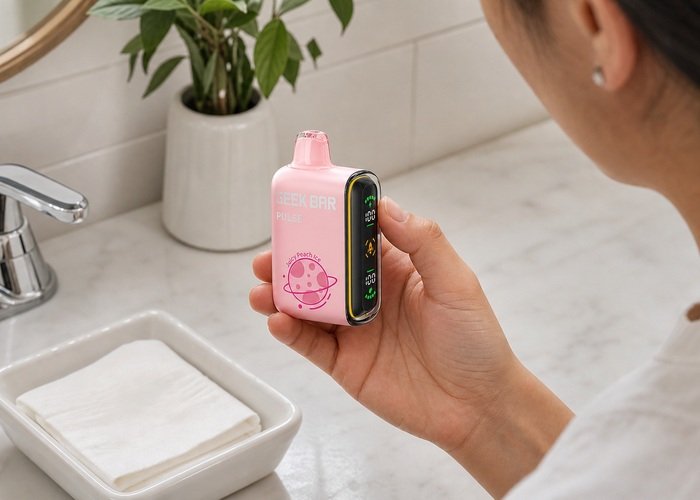
A Geek Bar Pulse gurgling sound usually means liquid or heavy condensation is sitting where airflow and vapor should pass cleanly. A slightly damp mouthpiece after repeated draws can be condensation; a wet bubbling pull, hot droplets or liquid reaching the mouth points to flooding or a leak. The safe response is to stop, inspect the exterior and let the device rest—not to keep drawing until the sound disappears.
Set the device upright on a clean paper towel and keep it out of your mouth while you inspect it. If the liquid is warm, sticky, strongly scented, coming from a seam or near the charging port, stop using the unit. If anyone swallowed liquid or it reached eyes or skin, follow Poison Control’s e-cigarette exposure guidance and seek appropriate help before worrying about the hardware.
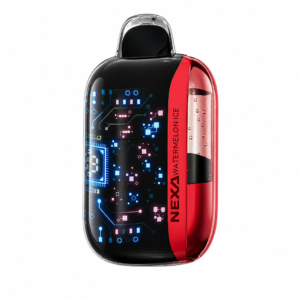
Compare the body and mouthpiece with the Airsipgo Geek Bar Pulse product page. Keep the device sealed. Advice to remove the mouthpiece, refill, insert tools or blow hard through the airflow path can move liquid toward electronics and create a more serious fault. The goal is to tell a temporary condensation event from a recurring condition that needs replacement or retirement.
Identify the exact symptom
Listen for when the sound occurs. A brief soft crackle immediately after a normal draw can be residual coil activity, while a wet bubbling sound during the next inhale suggests liquid in the airway. Repeated popping, hot droplets or a sound that continues on the table is not a normal condensation check. Do not take extra draws for comparison. One observed pattern is enough to guide the next step.
Look at the mouthpiece under good light. A thin film that wipes away once is different from a bead that returns without use. Inspect the side seams and base, then check the USB-C area without inserting anything. Liquid near the port or under the screen is a stop condition. The Pulse condensation-versus-leak guide provides a broader exterior comparison.
Note the device orientation and environment before the symptom began. Pocket carry, leaving it on its side, a hot car, air travel and rapid temperature changes can move condensation. That context does not prove the device is safe, but it helps a seller understand the event. Avoid invented explanations such as a broken coil unless you have observable evidence.
Use a dry exterior-only cleanup
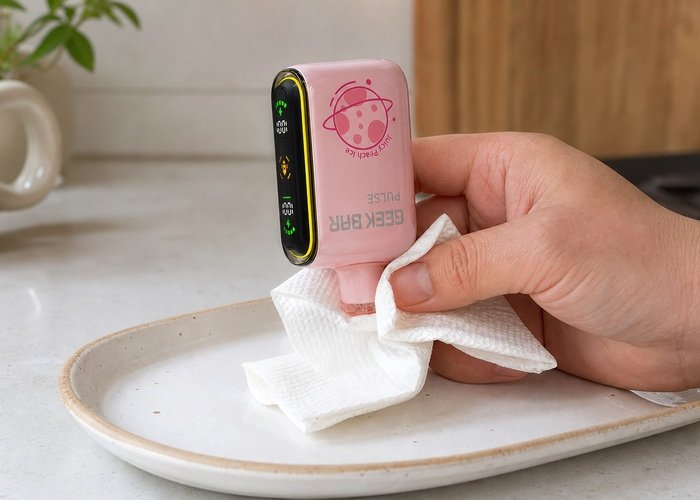
With the Pulse cool and inactive, hold it mouthpiece-down over a folded paper towel for a short moment. Wipe only the outside of the mouthpiece with a dry tissue. Do not push tissue, cotton swabs or tools into the airway. Do not shake the unit or strike it against a surface. Return it upright and leave it undisturbed for several minutes.
Move the airflow control through its normal range once if it is dry and unobstructed. A setting that is too restricted can make a user draw harder, which may worsen a wet airway. Use the site’s Pulse Regular-versus-Pulse mode guidance to confirm the ordinary controls, but do not repeatedly switch modes as a repair attempt.
Never use alcohol, water, compressed air or heat on a sealed disposable device. Liquid cleaner can reach the sensor or battery area, compressed air can drive condensation inward, and heat can change internal pressure. A dry wipe and upright rest are the safe boundaries for home care.
Decide whether a single retest is reasonable
Only consider one gentle retest if the device is completely cool, dry on the outside, quiet while idle and free of swelling, odor or visible damage. Use a normal slow draw rather than a hard pull. Stop immediately if the gurgle returns, a droplet reaches the mouth, the device feels hot or the screen behaves abnormally. Do not repeat the test to see whether the next draw improves.
If the screen turns on but there is no vapor, move to the existing screen-on but no-vapor guide. A flooded airway and a failed activation sensor can overlap, yet forcing air through the device is not a safe way to separate them. Record what the screen did and whether the sound began before or after the draw.
The FDA’s electronic nicotine delivery systems overview describes the liquid, heater and battery components involved. When liquid appears outside its intended path, a sealed product is not a field-serviceable tank. Replacement or safe end-of-life handling is often more appropriate than repeated experimentation.
Use the symptom table
The table links visible evidence to a conservative action. It does not diagnose the internal part. If the mouthpiece is repeatedly wet or liquid appears at a seam, treat the issue as recurring even if the device works after resting. A temporary recovery does not repair a compromised seal.
A dry screen estimate does not prove the airway is dry. The liquid meter is an electronic indication and cannot tell you whether condensation has collected near the mouthpiece. Review the Pulse juice-meter guide for what the display can and cannot tell you.
If the sound comes with a burnt or weak taste, do not take longer draws. The site’s Pulse weak-flavor checklist explains why reduced output can signal low liquid, airflow trouble or end of life. Gurgling plus poor flavor is more reason to stop, not a reason to inhale harder.
| Observation | What it suggests | Action |
|---|---|---|
| Thin film wipes away once; no sound returns | Likely condensation | Rest upright and monitor conservatively |
| Wet bubbling during a draw | Liquid in the airway | Stop, dry exterior and allow one rest period |
| Hot droplet or liquid reaches mouth | Spitback or flooding | Stop use; address exposure; contact seller |
| Liquid at seam, screen or USB-C port | Possible leak | Do not charge or retest; retire/return |
Handle nicotine liquid exposure correctly
If liquid touches the lips, spit it out and rinse the mouth with water. Do not swallow intentionally, induce vomiting or continue using the device. Wash exposed skin with soap and water and remove contaminated clothing. For eye exposure, rinse as directed by a medical source and seek help. Symptoms, age and the amount involved affect the next step.
Keep the device and used tissues away from children and pets. Nicotine liquid can remain on surfaces even after the visible wet spot is gone. The CDC e-cigarette overview emphasizes that nicotine products are not safe for youth, young adults or pregnant people. Store the unit where nobody can mistake it for a harmless consumer gadget.
Do not charge a wet or leaking Pulse. Electricity and liquid at the port create an unnecessary hazard. The U.S. Fire Administration recommends appropriate charging practices and attention to damaged batteries. A device with liquid around its port should be documented and taken out of service.
Document, return or retire the device
Photograph the mouthpiece after wiping, the paper towel if it shows liquid, the full body, seams and charging port. Record whether the device had been upright, how long it had rested, whether the gurgle returned after one gentle test, and whether there was heat or screen activity. Keep personal order details out of public posts and share them only through the seller’s support channel.
Use the Airsipgo warranty page to prepare the report. Describe the exact model and flavor, but do not claim the product was counterfeit or internally broken without evidence. A repeatable symptom and clear exterior photographs are enough for a replacement decision.
If the unit cannot be returned, follow the EPA guidance for household e-cigarettes and local rules. These products contain both residual nicotine and a lithium battery. Do not place them in curbside recycling, crush them or open the shell to separate components.
Prevent the symptom from returning
Once a cool, dry device has passed a single gentle test, keep it upright between uses rather than loose on its side in a pocket or bag. Avoid leaving it in a hot vehicle, on a sunny windowsill or beside an air-conditioner vent where rapid temperature changes can increase condensation. Storage cannot repair a damaged seal, but stable orientation and temperature reduce avoidable liquid movement in an otherwise sound unit.
Use a steady, moderate draw instead of a sharp pull. Strong suction can bring condensation toward the mouthpiece and may overwhelm an already wet airway. Do not chain several draws to chase stronger flavor. Allow time between uses so the airway and exterior can cool. If normal use requires unusually hard effort, treat the restricted draw as a symptom and stop rather than compensating.
Keep the mouthpiece clean on the outside with a fresh dry tissue, especially after the device has been carried. Never share the device, and do not use a tissue that has touched cleaning chemicals. A cap or clean case may help keep lint away during transport, but do not place a warm or leaking unit into a sealed case. Inspect the mouthpiece before use instead of discovering wetness during a draw.
Repeated spitback is not a maintenance schedule. When the same Pulse needs exterior drying again and again, the product is no longer behaving predictably. Continuing to wipe and retest can increase nicotine exposure and delay a warranty claim. Record the recurrence, stop use and let the seller decide whether replacement is appropriate.
Pay attention to the surface beneath the device during the rest period. A clean ceramic tray makes a new drop easy to see, while a towel can hide how much liquid has appeared. Use the towel only for the first exterior wipe, then leave the Pulse upright on a dry nonabsorbent surface. A fresh mark at the base or seam confirms that the problem is not limited to moisture at the mouthpiece.
If the device has been through a large temperature change, allow it to return to normal indoor temperature without using or charging it. Do not accelerate the process with a hair dryer, heater, refrigerator or freezer. Once it is stable and dry, apply the same one-test rule. Temperature context may explain condensation, but it does not excuse recurring droplets or liquid exposure.
Write the time of each observation on paper. A simple sequence—carried, rested, wiped, retested and wet again—gives the seller stronger evidence than repeated guesses about the internal cause.
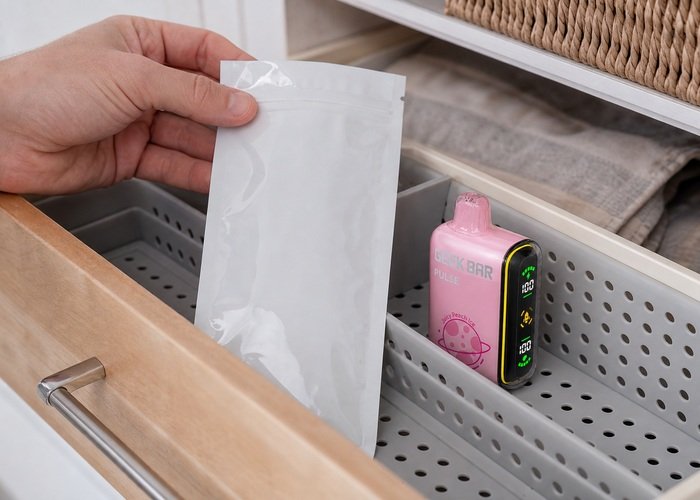
After the exterior is dry, leave the Pulse upright on a nonabsorbent tray. Check the towel beneath it later without moving the device unnecessarily. A new wet mark confirms that the issue is more than ordinary mouthpiece condensation. Do not seal a leaking unit inside a warm plastic bag.
If the symptom disappears once, watch for recurrence rather than assuming the device is repaired. Repeated gurgling, spitback or wetness after rest means the unit no longer provides a predictable path for vapor. Stop using it and give the seller the timeline and photographs.
For end-of-life handling, the EPA lithium-ion battery page explains why battery products should reach a proper collection point. Keep the Pulse upright, cool and protected from metal objects until it can be handed over under local rules.
The most useful response to Geek Bar Pulse gurgling is restrained: stop drawing, distinguish a one-time film from recurring wetness, clean only the exterior, and retire the device when droplets, leaks, heat or repeated bubbling appear. Opening, refilling, blowing and forceful impacts turn a simple symptom into a larger risk.
Frequently asked questions
Why is my Geek Bar Pulse making a bubbling sound?
Liquid or heavy condensation may be sitting in the airway. Stop drawing, wipe only the exterior and let the device rest upright.
Can I blow through the mouthpiece to clear it?
No. Forceful air can move liquid toward the sensor or electronics and make the problem worse.
Is a wet mouthpiece always a leak?
A thin one-time film may be condensation, but recurring beads, hot droplets or liquid at seams and the port are stop conditions.
Can I keep using it after one dry wipe?
Only one gentle retest is reasonable when the device is cool, dry, quiet and undamaged. Stop if the symptom returns.
What if liquid got into my mouth?
Spit it out, rinse with water, stop using the device and contact Poison Control or appropriate medical help for guidance.