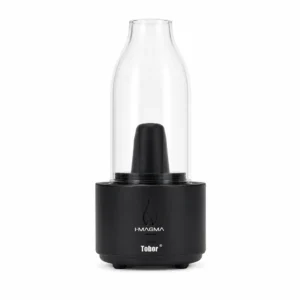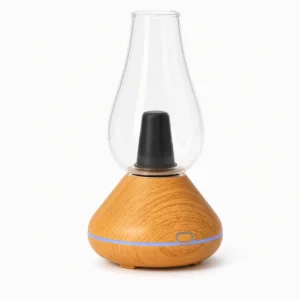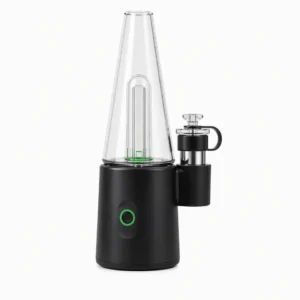

Secondhand vape aerosol is an indoor-air issue for people who do not vape as well as those who do. In a shared room, a clear agreement about vaping can prevent repeated uncertainty over what is acceptable.
The EPA explains that bystanders can inhale exhaled e-cigarette aerosol. Its contents vary and may include harmful substances; it should not be treated as harmless water vapor.
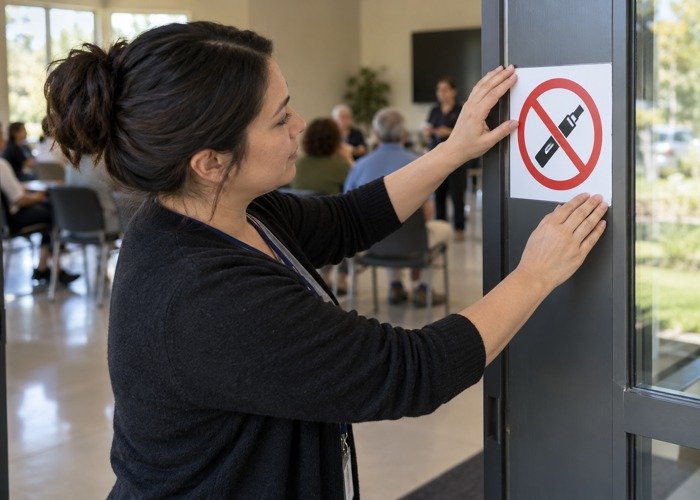
Make the boundary specific to the space
For a home, identify the rooms and enclosed shared spaces covered by the agreement. Include visitors in the explanation so the rule does not depend on whether someone already knows the household routine. A host can communicate the expectation before a gathering rather than improvising it after a disagreement.
In a workplace or community room, ask the responsible manager for the existing policy and how concerns should be raised. Do not present a personal preference as a legal requirement. Applicable rules vary, and this guide does not determine the law for a particular building.
Do not make a fan or filter the deciding test
EPA says ventilation, filtration and air cleaning may reduce indoor pollutants from vaping but are unlikely to eliminate them. Preventing vaping inside or near enclosed spaces addresses the source. An open window or a purifier should therefore not be described as proof that bystanders are protected.
A practical conversation can separate two decisions: how the room’s general ventilation is maintained and whether vaping is allowed in it. Keeping those decisions separate avoids a debate in which a device setting or fan speed becomes a substitute for a clear boundary.

Use a consistent explanation
An illustrative message is: “We keep this indoor space free of vaping because it is shared.” Explain the expectation calmly, and use the same wording with residents, colleagues and visitors. There is no need to compare brands or guess which device produces less exposure.
If someone wants help with stopping, point them to the CDC’s quitting resources. Offer support separately from the immediate shared-space agreement. A person can need support while the room still has a clear boundary.
Record a concern without making a diagnosis
If a problem recurs, record the room, approximate time and what you observed, and use the building’s established reporting process. Avoid posting personal accusations or another person’s health information. If someone feels unwell, seek appropriate healthcare advice rather than attributing the symptoms to one source without assessment.
The CDC provides broader information about vaping harms, while a suspected product incident has a separate official reporting preparation process. A useful secondhand vape aerosol policy gives people a clear expectation for the space and a clear route for raising concerns.