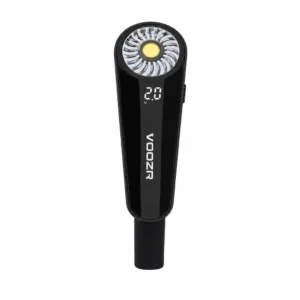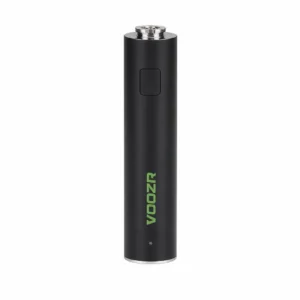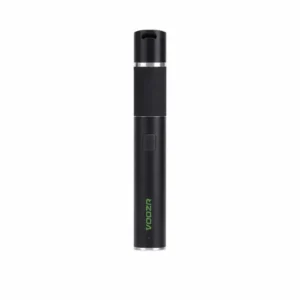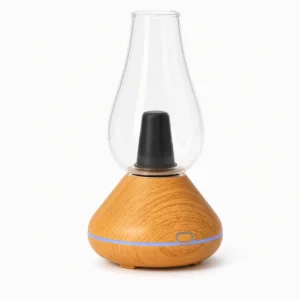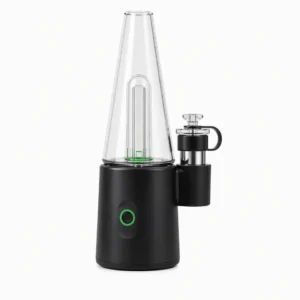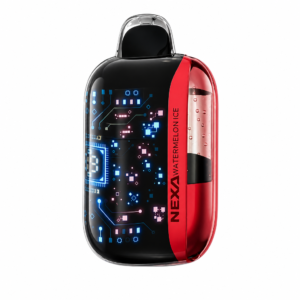
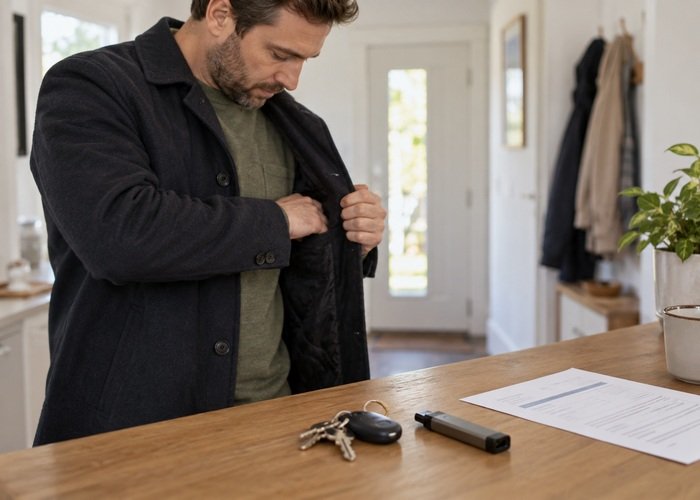
At an MRI appointment, include your vaping device in the personal belongings you discuss with the imaging staff. Keep it outside the MRI examination room, along with other personal electronics. A small size, plastic-looking case or switched-off screen is not a reason to bypass screening.
RadiologyInfo’s MRI preparation guidance, published by radiology professional societies, says metal and electronic items are not allowed in the exam room because they may interfere with the scanner, cause burns or become projectiles. Applying that personal-electronics rule to a vaping device means asking staff about it before entry rather than making your own material assessment.
The practical task is straightforward: identify what you have brought, use the storage arrangement staff provide and complete the screening process honestly. This applies to accompanying adults as well as the person having the scan.

Check the pockets you usually forget
Before leaving home, read the appointment instructions and consider leaving unnecessary belongings there. If you need to bring a bag, ask the department what storage is available. Do not assume the scan room has somewhere suitable to put an electronic item after you enter.
At the facility, check coats, trousers, jacket linings and bag compartments while still in the area designated by staff. If a companion has been carrying belongings for you, include that person in the conversation. A pocket check is a useful preparation step; it does not replace the department’s screening.
Let the imaging team decide where items belong
Ask where to leave a vaping device and other electronics before moving beyond reception or changing areas. Use the assigned locker or another staff-approved arrangement. Do not leave an item on a scanner-room shelf, in a gown pocket or in a companion’s bag that may enter the room.
Do not test an object with a household magnet, take a vaping device apart or try to decide that a casing makes it safe. The question is whether staff have approved the item for that environment, not whether it looks harmless.

Answer the screening questions completely
The FDA’s patient information emphasizes accurate screening answers and disclosure of implanted devices, tattoos and drug patches. Bring an implant identification card if you have one. A personal belongings check is only one part of this wider process; it is not a substitute for reporting medical devices or other relevant information.
If you remember an item after screening, tell a member of the MRI team immediately and wait for directions. Do not walk back into a controlled area to retrieve it yourself. If you are already being positioned, speak up before proceeding rather than hoping an overlooked pocket will not matter.
Keep appointment instructions together
A short preparation note can record the arrival time, department contact, storage question and any information staff have asked you to bring. Keep unanswered questions separate from confirmed instructions. Follow the facility’s directions about clothing, food and medicines instead of applying advice from a different examination.
If the appointment is part of a larger treatment plan, the guide to discussing vaping and nicotine with a surgical team addresses a separate clinical conversation. It does not establish MRI compatibility.
MRI appointment vaping device safety starts before room entry: disclose personal electronics, use approved storage and let the imaging team complete its screening.