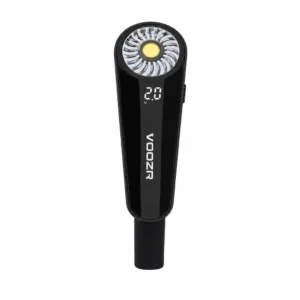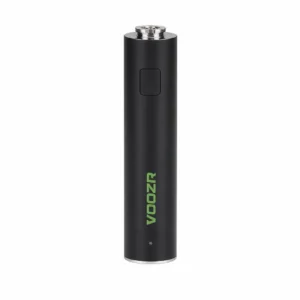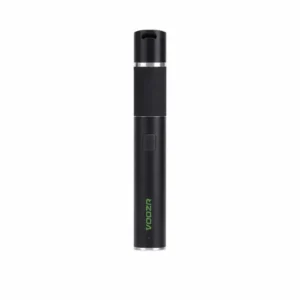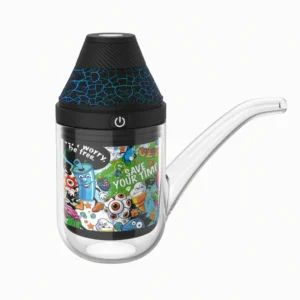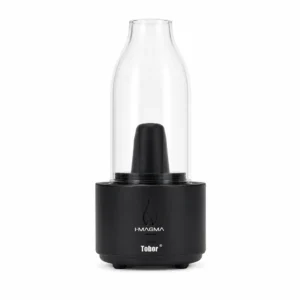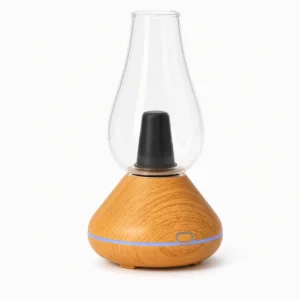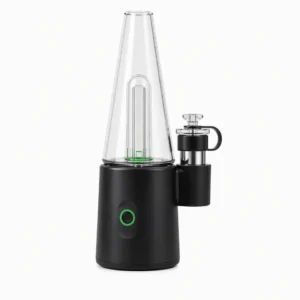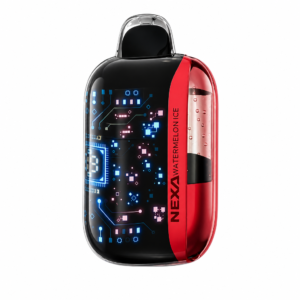

Flood-damaged vaping devices should not be treated as ordinary wet belongings to dry and test. They contain a battery and may contain nicotine residue. Stop using or charging a device that may have been exposed, and seek local advice before handling or arranging disposal.
The U.S. Fire Administration’s lithium-ion battery safety after flooding handout advises notifying the local fire department about potentially flood-exposed batteries. If a battery emits smoke or gases or makes popping or hissing sounds, move to a safe distance and contact the fire department.

Describe the exposure instead of trying to prove it is safe
When contacting the appropriate authority, explain that the item is an electronic vaping device with a lithium battery and possible nicotine residue. Say whether it was submerged, found in a flooded room or exposed in circumstances you cannot confirm. Keep uncertainty visible in the account.
Do not charge, activate, dismantle or perform a test to fill in a missing detail. A device’s appearance or a screen response is not a professional assessment. Do not approach a hazardous area simply to identify a model or retrieve the item.
Separate an active hazard from a routine enquiry
Smoke, gases or unusual sounds call for distance and fire-service advice, rather than a normal trip to a disposal counter. Keep other people away from the hazard. Follow the responding service’s instructions; this article does not provide a battery-fire suppression method or a retrieval procedure.
The USFA handout also covers larger battery-powered equipment. Its vehicle-related distances and handling arrangements should not be copied into a small-device plan without appropriate advice. Explain the actual item and setting when requesting instructions.
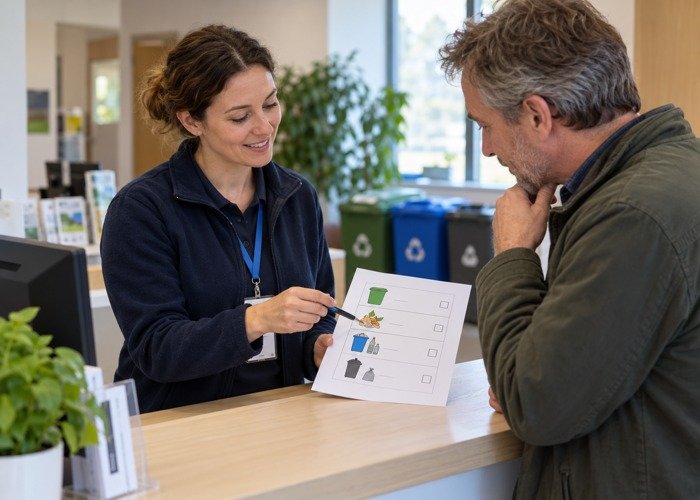
Confirm a receiving route that knows about the damage
The EPA’s household e-cigarette guidance directs households away from ordinary trash and recycling toward appropriate hazardous waste collection. A flood-damaged device needs an additional conversation about its condition before any planned handoff.
Ask whether the program accepts flood-exposed nicotine devices, whom to contact on arrival and whether another service must manage the item. Do not present it as an ordinary loose battery. An acceptance answer for intact devices does not automatically cover damaged ones.
Keep the advice with the recovery plan
Record who gave instructions, when they were given and what remains unresolved. If another household member is coordinating cleanup, share the confirmed instructions rather than a guess about what the collection program probably allows. The household disposal planning guide can help organize those questions.
Flood-damaged vaping devices need an informed assessment and receiving route. Avoid experiments, disclose the flood exposure and let local fire and waste professionals direct the next step.