
Pets and e-liquid exposure require a veterinary response, not a home calculation of whether the amount was small enough. If your pet gets into a vaping device, nicotine refill or liquid, contact a veterinarian or veterinary emergency clinic promptly.
The FDA describes nicotine exposure in pets as an emergency. Animals can encounter liquid or chew devices and cartridges. A human poison-help route should not be assumed to replace veterinary care.
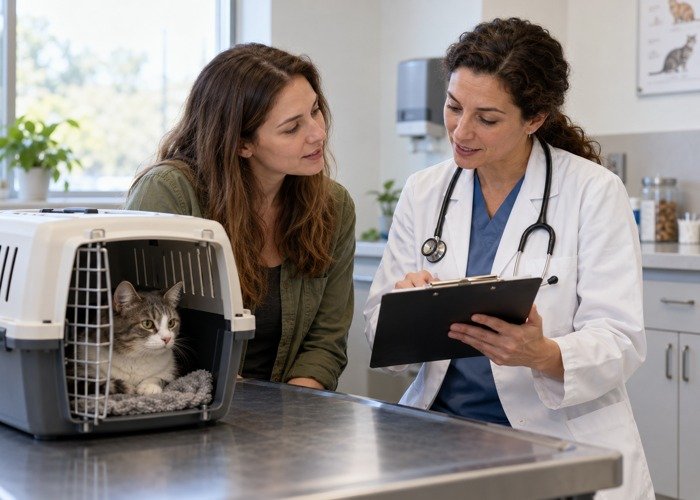
Make the call before reconstructing every detail
Tell the clinic what you think happened, when you noticed it and what you can observe now. If you do not know whether an item was swallowed or how much liquid is missing, say so. Uncertainty is useful information; it is not a reason to wait for a more complete story.
Follow the veterinary team’s instructions about assessment and arrival. This guide does not prescribe a home treatment or a dose. Do not spend time testing the device, searching for an exact product listing or trying to infer an absorbed quantity from a label before seeking help.
Keep useful information separate from hazardous items
If readily available, note the product name, label details, approximate time and the animal involved. Existing packaging or a photograph may help explain what the pet encountered. Ask the clinic what information or items it wants rather than bringing a leaking or damaged device without instructions.
Keep a simple account of observations and advice. For example, distinguish “I found the item on the floor” from “I saw the pet chew it.” Do not fill an uncertain gap with a confident explanation. If another person witnessed the event, make that distinction clear.
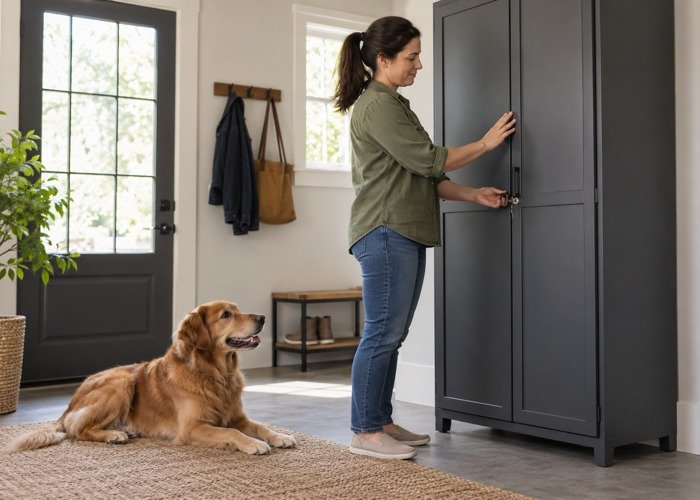
Review access after urgent care is arranged
FDA advises keeping vaping devices and other tobacco products away from pets and children. Its household pet-hazard guidance provides wider prevention context. Consider where bags, coats, discarded items and visitor belongings are placed, as well as the usual storage area.
A prevention review can ask three practical questions: who puts items away, whether the pet can reach the storage location, and what happens when visitors arrive. Agree on a consistent arrangement instead of assuming that everyone recognizes an unfamiliar device.
Care and disposal are different tasks
Veterinary assessment comes first. Once the immediate problem has been addressed, ask an appropriate collection program about a discarded device; the household disposal guide explains how to confirm acceptance. Do not turn disposal or evidence gathering into a reason to delay care.
For pets and e-liquid exposure, prompt professional contact and an honest account matter more than a perfect estimate. Keep the veterinary team informed and follow its instructions for your animal’s circumstances.