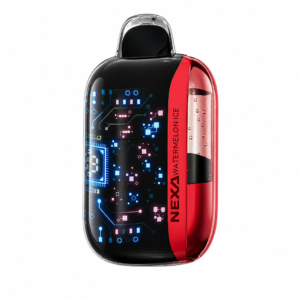
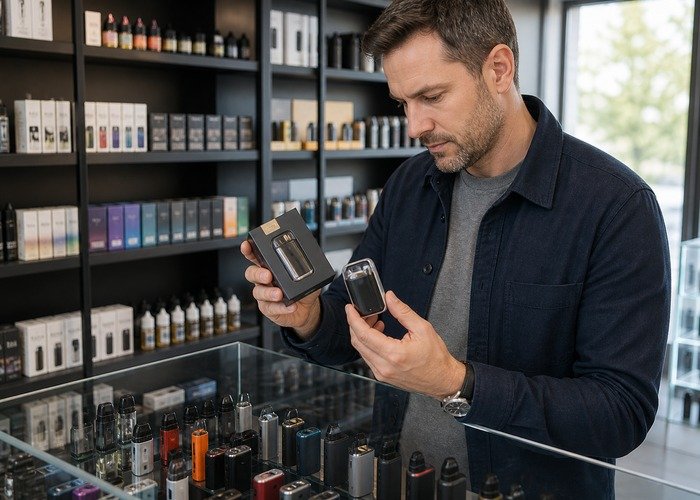
A convincing counterfeit can copy the color, shape, and even the screen animation of a popular device. That is why the safest way to tell if a Geek Bar Pulse X is fake is not to rely on one visual clue. Use a sequence: confirm the seller and sealed package, scan the security label through the official domain, compare the device with the manufacturer’s current specifications, and stop immediately if its battery or firing behavior is abnormal.
This guide is written for adults who already use nicotine products. It does not suggest that a valid code makes vaping risk-free. Nicotine is addictive, and electronic nicotine delivery systems carry health and battery hazards. The purpose here is narrower: to help you avoid an unverified product and make a sensible return or disposal decision when something does not add up.
The fastest answer is simple: keep the box, do not scratch or scan anything until you have checked the web address printed beside the label, and never accept a seller’s screenshot as proof. Open the manufacturer’s official product verification page yourself, then compare its response with the physical package in your hand. If you bought through Airsipgo, start with our product verification guidance and retain your order information.
Why appearance alone is not enough
Counterfeit packaging is designed to survive a quick glance. A familiar gradient, a shiny finish, a large puff claim, and a working display can create a strong first impression without proving where the device came from. Even genuine product lines change packaging, flavors, and regional labels over time, so an old online photo is not a reliable master template.
The useful distinction is between evidence that can be copied and evidence that can be independently checked. Color and printed text are easy to copy. A unique security code that resolves on the manufacturer’s real domain is stronger. A seller who provides an intact box, a traceable order, and a workable return route adds another layer. Consistent model specifications and normal device behavior provide supporting evidence, but they should not replace the code check.
Geek Bar has published a counterfeit product warning describing quality and safety concerns around imitations. The company’s current Pulse X product page is also the appropriate place to confirm the model’s advertised format, modes, liquid capacity, nicotine labeling, charging claim, and current flavor presentation. Use those first-party references, not a copied chart on an unknown storefront.
The five-minute authenticity check
Work through the following steps before using a newly purchased device. None of them requires opening or disassembling it. If the product fails an early check, leave it unused and move directly to the return process.
- Check the source. Record the seller, date, order number, and exact product page. A credible seller should provide contact information, an age-gated sales process, and a clear route for reporting a defective item. Review Airsipgo’s warranty information before discarding packaging.
- Inspect the sealed box. Look for clean printing, straight seams, consistent spacing, intact tamper evidence, and a security label that has not already been exposed. Smudged microprint, mismatched fonts, a relabeled box, or a loose inner tray is a reason to pause, not proof by itself.
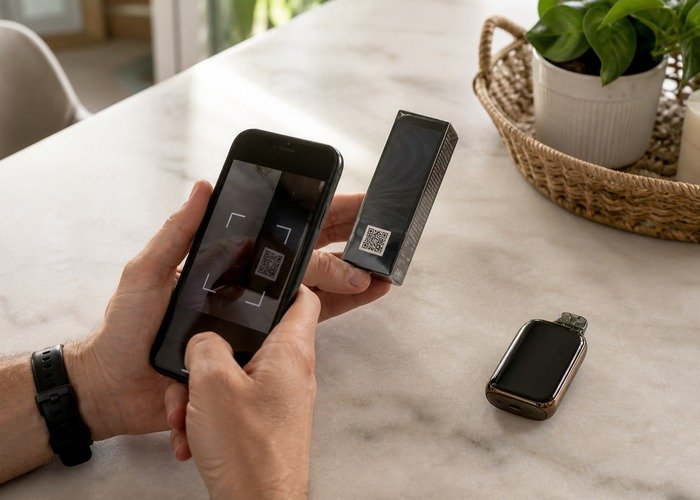
- Read the destination before scanning. A QR pattern can send a phone anywhere. Preview the destination and confirm that the registered domain is exactly the manufacturer’s official domain. Extra words, hyphens, misspellings, unfamiliar country domains, or a page that merely imitates the official design are warning signs.
- Verify the unique code. Use the official page opened independently in your browser. The manufacturer notes that each code is intended for a single verification. An invalid code, an implausible number of previous checks, or a result page on another domain should be treated as a failed verification.
- Compare the exact model. Confirm that the name, rated modes, liquid volume, nicotine label, charging behavior, screen style, and flavor appear in the manufacturer’s current information. Do not assume that every unfamiliar flavor is fake; regional and limited releases exist. Ask the seller for documentation when the catalog and package disagree.
How to scan without being redirected to a lookalike site
Pointing a phone at a QR label is convenient, but convenience is precisely what a fake verification page exploits. Before tapping the notification, read the host name. The meaningful part is the registered domain immediately before the first slash. A page can place words such as “official,” “verify,” or “security” elsewhere in the address and still be unrelated to the manufacturer.
If the tiny preview is hard to read, cancel it. Open a browser, type the manufacturer’s main address yourself, and navigate to its verification section. Enter the printed code there. This removes the QR redirect from the trust chain. Do not install an app, browser extension, profile, or file offered by a verification page.
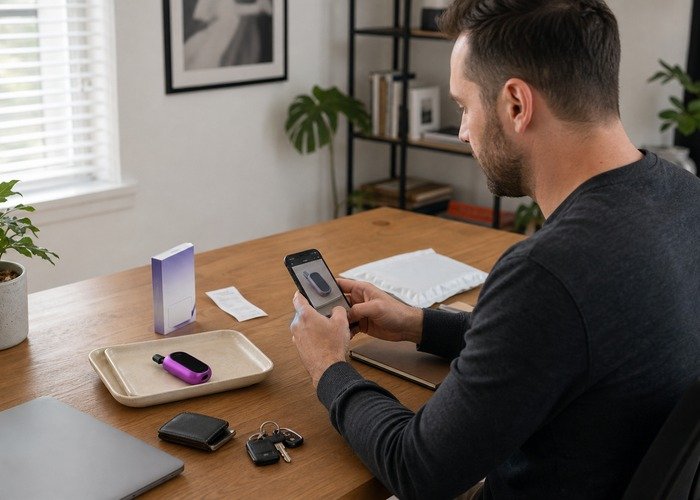
Take a screenshot of the result and a clear photo of the unopened box. The images help a retailer investigate a failed code without requiring you to keep rescanning it. Avoid posting the full security number publicly; a visible valid code can be copied onto other boxes.
What the official video demonstrates
The manufacturer’s short verification video focuses on the most important digital clue: the destination website. That emphasis is useful because packaging artwork can be reproduced, while a buyer can independently inspect the domain reached by the code.
Watch it with your own package nearby, but do not treat a matching label position as the only test. Packaging can change, and copied labels can be placed in the same location. The repeatable lesson is to confirm the real domain and use the unique-code response together with the physical and seller checks.
The video is embedded here as a practical visual reference. It is informational, not a substitute for contacting the retailer or manufacturer when a code fails.
After viewing, return to the official verification page in a fresh browser tab rather than following links in comments or descriptions. This keeps the check tied to a known first-party destination.
If a code appears valid but the product still has serious defects, do not force the conclusion that it must be safe. A valid item can be damaged, mishandled in transit, or defective. Authenticity and condition are separate questions.
Likewise, unusual performance does not prove counterfeiting on its own. It is supporting evidence that should trigger a stop-use and return decision, especially when combined with a failed code or questionable seller.
Packaging details worth documenting
| Check | What to document | Why it matters |
|---|---|---|
| Security label | Unopened state, position, print clarity, code result | Connects the physical box to the official verification response |
| Model name | Exact spacing, generation, stated modes | Fake listings often combine names or specifications incorrectly |
| Flavor | Name on box, inner device, and current official catalog | Mismatches can indicate relabeling or the wrong item in the box |
| Warnings | Nicotine statement, age restriction, regional labeling | Missing or careless labeling is a meaningful quality warning |
| Seller trail | Receipt, order page, batch photos, return terms | Gives the retailer and manufacturer evidence to investigate |
Photograph all sides in steady light. Do not crop out batch markings, barcodes, or the seal. Keep the photos private when they display a complete security code. If you need help with an Airsipgo order, use the contact page and attach only the information requested by support.
Device behavior: supporting clues, not a home laboratory
Once a product has passed the package check and has been opened, normal operation should broadly match the official description. The Geekbar Pulse X product page provides the relevant product context, while the original Geekbar Pulse and newer Geekbar Pulse X2 pages help prevent model-generation confusion.
Warning behavior includes uncontrolled firing after a draw, persistent hissing, unusual heat, swelling, leaking, a strong chemical or burnt smell from the start, a screen that reports implausible changes, or charging that becomes abnormally hot. These signs can come from damage or a defect as well as a counterfeit. The correct response is the same: stop using it. Do not keep testing a product that is heating or firing on its own.
Do not open the casing to compare wiring, cotton, a cell, or a circuit board. A disposable device contains a lithium-ion battery and residual nicotine liquid. Disassembly can create an electrical short, chemical exposure, or fire hazard, and it destroys useful return evidence.
What to do when the code fails
- Do not use, charge, puncture, crush, or disassemble the device.
- Keep it away from heat, direct sunlight, children, pets, metal objects, and combustible materials.
- Photograph the sealed package, code result, receipt, and seller listing.
- Contact the seller and request a return or investigation. Use Airsipgo’s frequently asked questions for order-process context.
- Report suspected counterfeit packaging through the manufacturer’s published channel.
- If the device is hot, swollen, leaking, hissing, or firing by itself, move away from it and follow local emergency guidance. Do not mail a damaged lithium-battery device unless the carrier and retailer explicitly approve the method.
The U.S. Food and Drug Administration maintains an overview of electronic nicotine delivery systems and accepts reports of potential tobacco-product violations. Rules and reporting routes differ by country, so use the authority responsible for tobacco products where you live.
For battery incidents, the U.S. Consumer Product Safety Commission provides a central consumer product safety reporting portal. A report should describe what happened without speculation: when the device was bought, whether it was charging, what cable and power source were used, what warning signs appeared, and whether there was injury or property damage.
Disposal is different from ordinary trash
An unwanted disposable vape combines electronics, a lithium-ion battery, and residual nicotine. Throwing it into household trash or a curbside recycling bin can expose workers and equipment to fire and chemical hazards. The U.S. Environmental Protection Agency advises consumers to use appropriate lithium-ion battery collection routes rather than placing lithium-ion batteries in household garbage or municipal recycling bins.
Ask a local household hazardous-waste program or approved electronics/battery collection service whether it accepts disposable nicotine devices. Keep the device intact. Do not drain the liquid, remove the cell, tape over a leaking unit, or improvise shipping. Local instructions take priority because facilities and transport rules vary.
A buyer’s checklist for the next purchase
Counterfeit prevention works best before payment. Use the current Airsipgo shop to confirm the model listing and make sure the exact product is available through a traceable checkout rather than an informal message. For larger orders, the wholesale information page explains the appropriate inquiry route.
- Buy only where age verification, business identity, support details, and return terms are visible.
- Save the product URL and order confirmation.
- Require the original sealed retail box; do not accept a loose device.
- Check the security label before opening.
- Navigate independently to the manufacturer’s official verification domain.
- Compare the exact model and flavor with current first-party information.
- Stop using any device that auto-fires, overheats, swells, leaks, or hisses.
No single cosmetic detail can guarantee authenticity. The strongest practical conclusion comes from several independent checks that agree: a traceable seller, an intact original package, a unique code validated on the real manufacturer domain, specifications that match the exact model, and normal condition on arrival.
Frequently Asked Questions
Can a fake Geek Bar security code scan successfully?
A QR code can open a convincing copy of a verification page, and a copied valid number may be printed on multiple boxes. Confirm the registered domain yourself and pay attention to invalid, repeated, or previously checked-code messages. Do not rely on the visual design of the result page.
Does a valid code prove the device is safe?
No. It is evidence about authenticity, not a guarantee of condition or risk. A genuine device may still be damaged or defective. Stop using it if it heats unexpectedly, leaks, swells, hisses, or fires without a draw.
Is a different screen animation proof that my Pulse X is fake?
Not by itself. Model generation, regional release, operating mode, battery level, and production updates can affect presentation. Check the exact model against current first-party information and verify the package code.
What if the seller removed the box?
Do not buy a loose unit when the original package is the only place to verify the security label, model, batch information, and required warnings. The box is also important evidence for a return.
Should I open the device to inspect the battery?
No. Opening a disposable exposes a battery, electronics, and residual nicotine liquid. It can cause a short, leak, or fire and makes a retailer investigation harder.
Where should I dispose of a suspicious device?
Use a local household hazardous-waste or approved battery/electronics collection route that accepts disposable nicotine devices. Do not put it in household trash or curbside recycling, and do not ship a damaged unit without approved instructions.
If you remember only one rule, make it this: verify the code on the manufacturer’s real domain before use, and let abnormal heat or firing behavior override every other clue. When the evidence conflicts, stop, document, and return the product rather than experimenting with it.